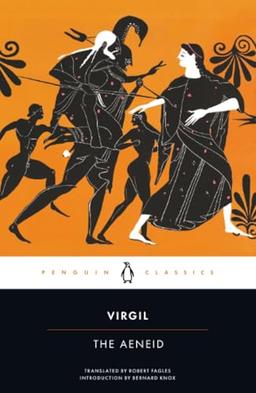
Best for mostRobert Fagles · 2006
Fagles did for the Aeneid what he did for Homer — a fast, vivid, dramatic English that carries you through. He expands Virgil's lines a little for momentum, so it's not the most economical version, but for a first read it's the most propulsive, and Bernard Knox's introduction is excellent. This is where I'd start.
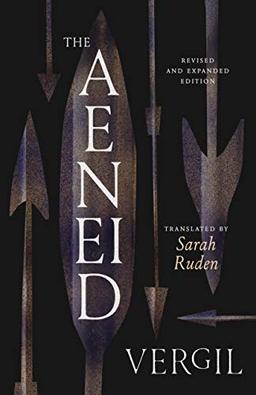
Most literalSarah Ruden · 2008
Sarah Ruden's translation is line-for-line with the Latin — the same number of lines as Virgil — and remarkably spare for it. Critics single out how it brings out the poem's humanity without rhetorical padding. The 2021 revision is the one to get. Best if you want the shape of the original, not an expansion of it.
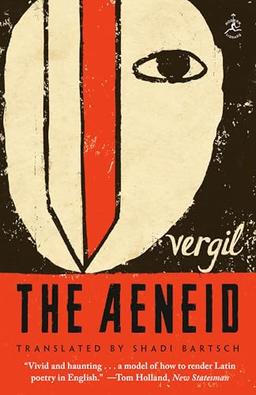
NewestShadi Bartsch · 2021
The 2021 translation, brisk and contemporary, with a strong introduction on how to read Virgil now. If you want the freshest scholarship and a modern ear — and don't need the canonical weight of Fagles or Fitzgerald — this is the current one to weigh.
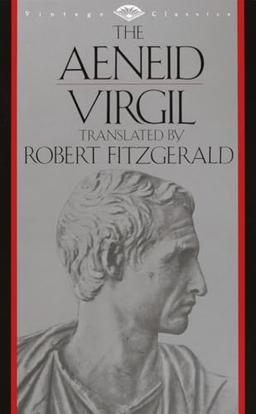
Most lyricalRobert Fitzgerald · 1983
Robert Fitzgerald's 1983 version is the lyrical one — slower, more musical, lines you reread. Some readers find it heavier going than Fagles. If you care more about the poetry than the pace, this is the one that's been loved longest.
The free classicJohn Dryden · 1697
John Dryden's 1697 translation, in rhyming heroic couplets, is out of copyright and free. It's grand, formal, and unmistakably late-17th-century English — a poem in its own right more than a transparent window on Virgil. Free, complete, and worth sampling for the sheer sound.