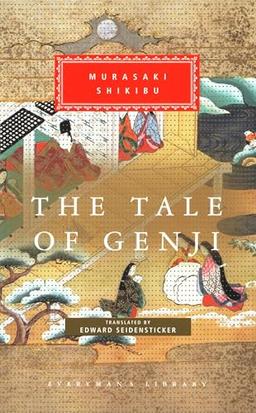
Best for mostEdward G. Seidensticker · 1976
For a first, complete read of Genji, this is the one most readers and scholars land on. Seidensticker is clear and understated — faithful to Murasaki without the density that makes Tyler hard going, and without Washburn's over-explaining. One caution specific to this translation: there's both a complete edition and an abridged Vintage paperback in circulation. Get the complete one. This is where I'd start.
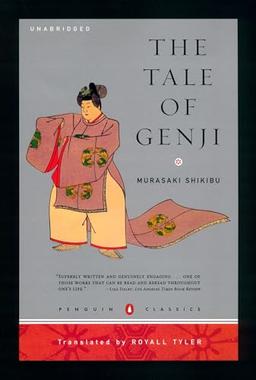
Most faithfulRoyall Tyler · 2001
Royall Tyler's Penguin translation is the scholar's Genji — it keeps the court's formality, refers to characters by title and rank the way the original does, and annotates heavily so you catch the social nuance. That fidelity is also the cost: it's dense, and the title-not-name convention takes adjusting to. The best version if you want the real texture of Heian court life.
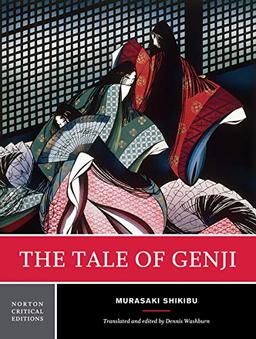
NewestDennis Washburn · 2015
The 2015 translation, and the most accessible — Washburn folds a lot of explanation into the text itself, so you're rarely lost about who's who or what a reference means. Some readers love that; one ranking called it long-winded for the same reason. If you've bounced off Genji before, this is the one that holds your hand.
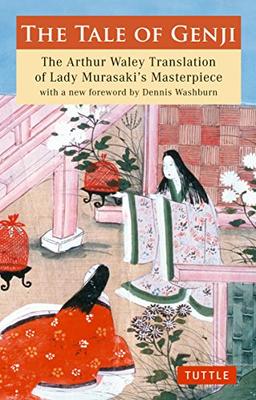
The classicArthur Waley · 1925
Arthur Waley's 1920s translation is a piece of English literature in its own right — gossipy, lyrical, the most purely enjoyable to read. It's also the least faithful: he embellished freely and left out a whole chapter, so it's best thought of as a beautiful adaptation. Much of it is now out of copyright, and it's cheap in print. Read it for pleasure, not for accuracy.