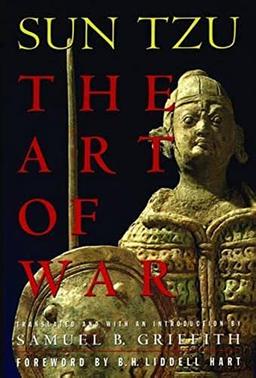
Best for mostSamuel B. Griffith · 1963
Griffith's 1963 translation is still the one most people mean by 'the Art of War.' He was a U.S. Marine general turned scholar, so it reads as a real strategist's text, not a curiosity — clear, practical, with a famous foreword by the military historian B. H. Liddell Hart. Accurate enough for study, plain enough to just read. This is where I'd start.
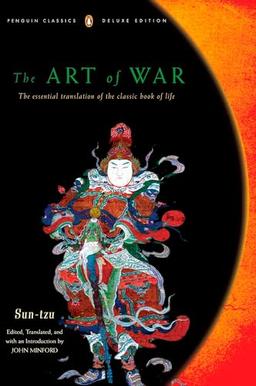
Most readableJohn Minford · 2002
The most relaxed way in. Minford's Penguin translation pairs a clean modern rendering with running commentary that explains what each line is actually getting at, so you're never stranded by the compression. A little more book around the text than Griffith — which is the point, if you want the guidance.
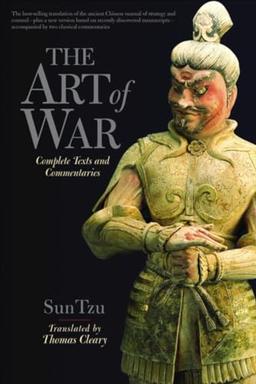
Best for going deepThomas Cleary · 1988
This is the Art of War with two thousand years of argument attached. Cleary's 'Complete Texts and Commentaries' sets the classical Chinese commentators alongside the text, so you see how generations read each line. More than a first-timer needs, and exactly what a returning reader wants.
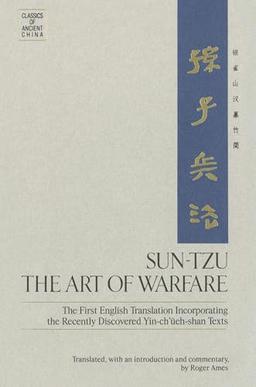
Most scholarlyRoger T. Ames · 1993
In 1972, archaeologists found bamboo strips carrying an older version of the text. Ames's translation is built on that discovery, with a serious introduction on what changed. The one to read if you care about what Sun Tzu most likely wrote, not just the version handed down.
Sun TzuThe Art of Wartr. Lionel Giles
Lionel Giles · 1910
Lionel Giles's 1910 translation is out of copyright, so it's free everywhere — and for a text this short, that's a real option. The English is a century old and a little formal, and there's none of the modern commentary. But it's complete and faithful, and it's how most people first read the book for a hundred years.