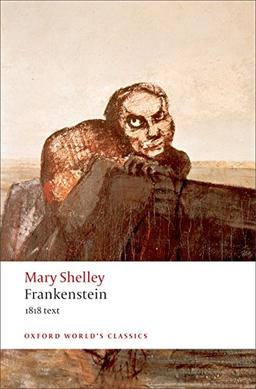
Best for mostOxford (1818 text) · 2008
If you're reading Frankenstein once, read the 1818 text — the original, before Mary Shelley revised it under pressure from conservative critics. It's leaner, angrier, and gives Victor more responsibility for what he does (the 1831 rewrite leans on fate). Oxford pairs that original text with Marilyn Butler's landmark introduction. Inexpensive, complete, well-edited. This is where I'd start.
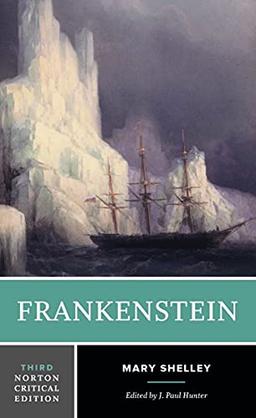
Best for studentsNorton Critical (1818 text) · 2021
The student's Frankenstein. You get the 1818 text plus a small library around it — Mary Shelley's sources, contemporary reviews, and modern criticism. If you're studying the novel, or want to understand why the 1818-vs-1831 question matters, this is the edition built for that. More apparatus than a casual reader needs.
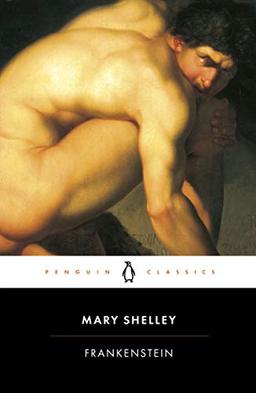
The 1831 versionPenguin (1831 text) · 2003
This is the 1831 text — Shelley's later revision, and the version most people have read for a century. It's more fatalistic, a touch more polished, with her famous introduction recounting the ghost-story contest that sparked the book. Nothing wrong with it; just know it's the revised Frankenstein, not the original.
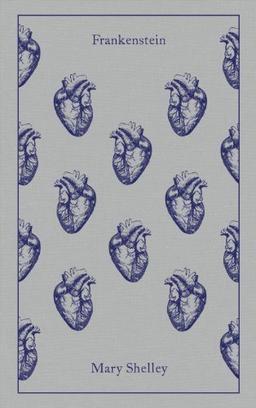
Most beautifulPenguin Clothbound (1831) · 2013
The 1831 text in Penguin's cloth-bound hardcover, with Coralie Bickford-Smith's cover. The nice-object version, and a popular gift. Same Hindle edition as the paperback underneath — you're paying for the binding.
Mary ShelleyFrankensteintr. Free 1818 text
Free 1818 text · 1818
The 1818 text is out of copyright and free everywhere — Project Gutenberg and others. No introduction, no notes, just Mary Shelley's original words. For a book this short and this readable, it's a perfectly good way to start tonight at no cost.