Best for mostRosamund Bartlett · 2014
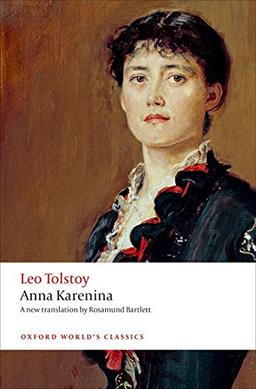
Rosamund Bartlett's 2014 Oxford translation is the one I'd hand most readers — idiomatic, natural English that still stays faithful to Tolstoy. Critics note that her dialogue sounds like real speech, that 'Anna sounds like Anna.' Readable and accurate at once. This is where I'd start.
Most debatedPevear & Volokhonsky · 2000
Pevear and Volokhonsky's version is the prominent modern one — an Oprah's Book Club pick — and it deliberately preserves Tolstoy's syntax, his long sentences and repetitions. Admirers say that's the real Tolstoy; others find it stiff, and note the fame owes something to Oprah. Worth weighing both before you pick it.
Closest to the styleMarian Schwartz · 2014
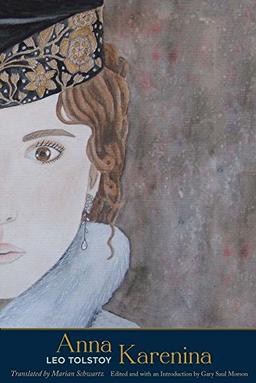
Marian Schwartz's Yale translation goes furthest in keeping Tolstoy's deliberate roughness — the repeated words he used on purpose, which most translators smooth away. Some readers find it a little tight as a result. The choice if you want Tolstoy's style, not just his story.
The classic standardLouise & Aylmer Maude · 1918
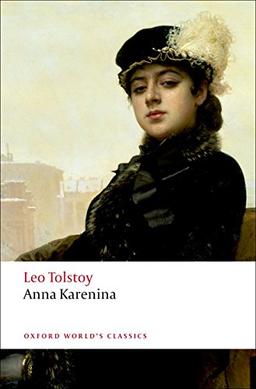
The Maude translation, done with Tolstoy's blessing, has been a beloved standard for a century and is still in print from Oxford. A faithful, readable middle between Garnett's age and the newest versions. A safe, well-liked choice.